Industrial Hydroseeding and Site Stabilization
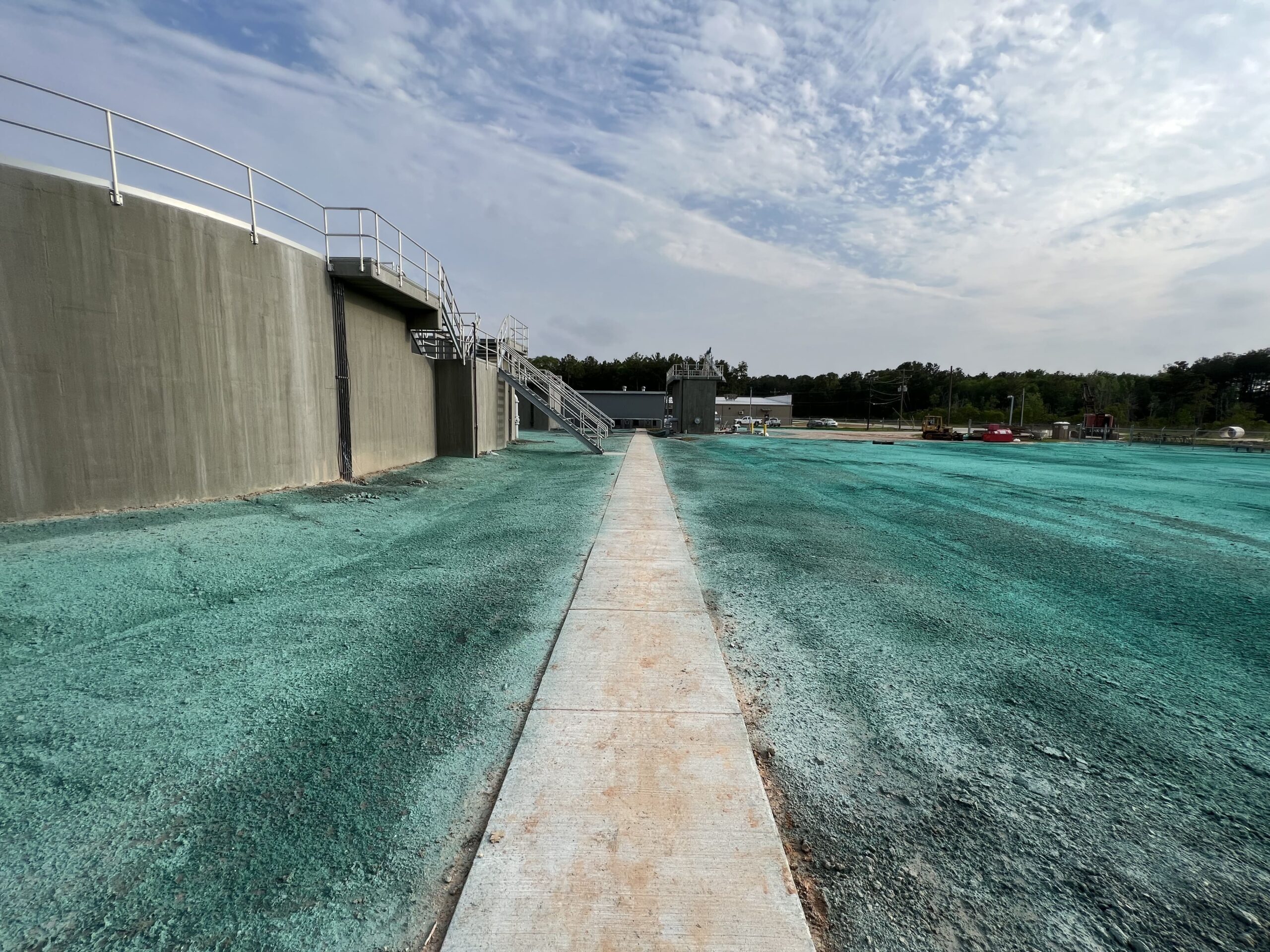
Industrial sites require ground cover that can keep pace with large footprints, active construction, heavy equipment, changing grades, drainage demands, and environmental requirements. Houston Hydroseeding provides industrial hydroseeding and hydromulching for manufacturing facilities, warehouses, energy sites, utility corridors, logistics parks, infrastructure projects, and large undeveloped properties.
Our team helps stabilize disturbed soil and establish vegetation around buildings, access roads, laydown yards, pipelines, detention ponds, embankments, drainage channels, and other industrial work zones. We plan the application around site access, safety, soil conditions, slope, stormwater flow, and project milestones.
Industrial hydroseeding is not a one-size-fits-all spray. The seed blend, mulch rate, tackifier, and soil preparation should match the risk and intended use of each area.
Industrial Applications We Support
Manufacturing and Warehouse Sites
Energy and Utility Corridors
Roads, Bridges, and Infrastructure
Detention Ponds and Drainage Systems
Industrial Soil Preparation and Disturbed Ground
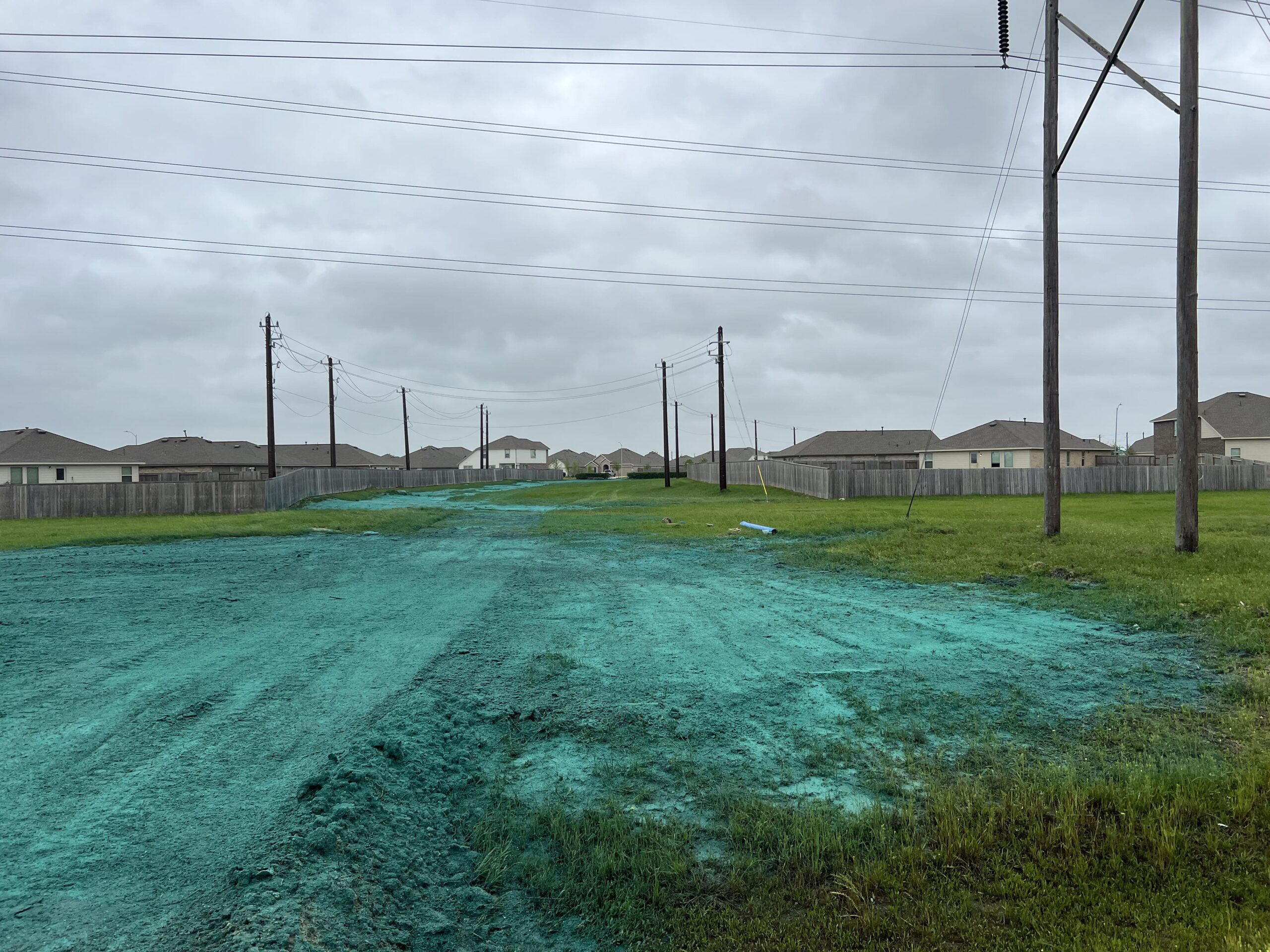
Industrial construction can leave compacted subgrade, exposed clay, imported fill, stockpile areas, and uneven soil that does not support immediate vegetation. Before application, we review the final grade, topsoil, compaction, drainage, traffic, and the areas that must remain accessible to equipment.
Soil Conditioning for Long-Term Roots
Soil testing and conditioning can identify nutrient deficiencies, pH issues, poor organic matter, and drainage limitations. Where appropriate, soil amendments and Pro-Ganic® soil replacement technology can help create a more productive growing environment without treating every industrial acre as if it has the same soil profile.
Seed and Mulch Selection by Risk Area
Flat perimeter areas may use a standard industrial seed and blended mulch system. Slopes, outfalls, detention ponds, and high-runoff areas may require 100% wood fiber or Bonded Fiber Matrix to hold seed in place and provide stronger erosion resistance while vegetation becomes established.
Industrial Erosion Control and Environmental Compliance
Industrial erosion control protects the site, surrounding properties, waterways, storm drains, and project schedule. Hydroseeding and hydromulching can work as part of a broader Stormwater Pollution Prevention Plan, alongside inlet protection, silt fencing, stabilized construction entrances, temporary ground cover, and drainage controls.
SWPPP and BMP Coordination
Slope and Embankment Erosion Control
Sediment and Runoff Reduction
Safe Work-Zone Planning
Large-Site Hydroseeding Logistics
Large industrial projects benefit from a clear application plan. We can divide the property into work zones, sequence areas around grading and utility work, coordinate with general contractors, and plan for access to hydrants or water sources. Professional FINN HydroSeeders help deliver consistent slurry coverage across broad areas while keeping the application process organized.
Industrial Hydroseeding Aftercare and Stabilization
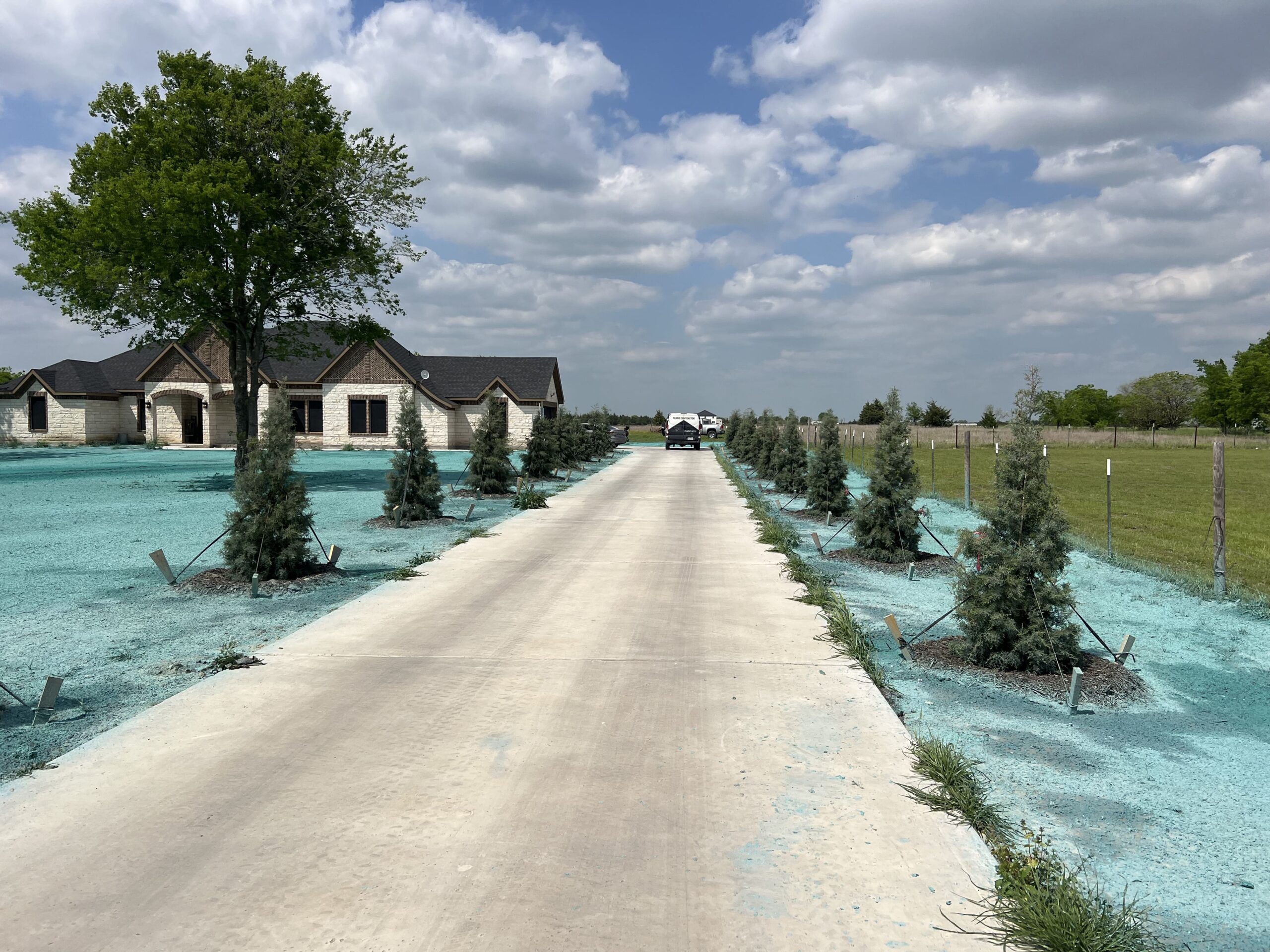
Aftercare begins with keeping the seeded surface moist enough for germination without causing runoff or disturbing the mulch layer. Site teams should limit traffic on newly treated areas, protect the surface from unnecessary disturbance, and follow the watering plan for the seed blend and weather conditions.
As vegetation develops, mowing, irrigation, inspection, and maintenance should be coordinated with the property’s long-term landscape or environmental compliance plan. Houston Hydroseeding can discuss the stabilization goals and maintenance expectations during the project estimate.
Request an Industrial Site Evaluation
Call 281-369-4800 for industrial hydroseeding, hydromulching, erosion control, and disturbed-soil stabilization in the Houston area. Share your site plans, acreage, slopes, drainage concerns, and schedule so we can recommend the right system.